




 928-776-1208




 928-776-1208
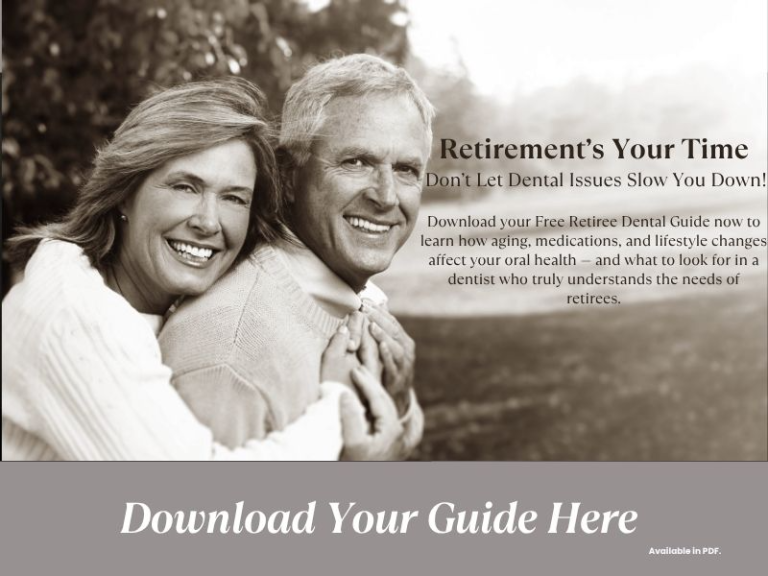
Why Retirees Need a Different Kind of Dentistry
And What to Look for in a Dental Provider
Prefer to Listen?
Play the podcast version of this article
The truth is, the dental care that served you well in your working years may not be adequate for the unique challenges and opportunities of retirement. At Pro Solutions Dental Group, we've had the privilege of caring for hundreds of retirees throughout the greater Prescott region, and we've learned that successful dental care for this population requires a fundamentally different approach.
It's not just about treating teeth—it's about understanding the complex interplay between aging, health conditions, medications, lifestyle changes, and oral health.
The Unique Oral Health Landscape of Retirement
Physiological Changes That Matter
Aging brings predictable changes that significantly affect oral health, but these changes aren't inevitable problems—they're simply factors that require different approaches to care. Saliva production naturally decreases with age, reducing your mouth's natural defense against bacteria and acid. This change, called xerostomia, affects not just comfort but also your risk for cavities and gum disease.
Gum recession is common with aging, exposing root surfaces that are more vulnerable to decay than the crown portions of teeth. Bone density changes can affect the supporting structures of your teeth and influence treatment options like dental implants. Healing capacity may be slower, requiring modified treatment approaches and extended healing periods.
The Medication Challenge
The average American over 65 takes four or more prescription medications, and many of these have significant effects on oral health:
- Dry mouth is a side effect of over 400 commonly prescribed medications
- Blood thinners require special precautions for dental procedures
- Bisphosphonates used for osteoporosis can complicate oral surgery
- Diabetes medications affect healing and infection risk
- Heart medications may require antibiotic prophylaxis for certain procedures
Systemic Health Connections
The mouth-body connection becomes increasingly important with age as chronic health conditions become more common. Diabetes and gum disease have a bidirectional relationship—each condition makes the other worse. Heart disease has been linked to oral bacteria and chronic inflammation from gum disease.
Stroke risk may be increased by certain oral bacteria. Pneumonia in elderly patients is often caused by aspiration of oral bacteria. Cognitive decline can be accelerated by chronic inflammation from untreated dental disease.

Why Traditional Dental Care Falls Short for Retirees
The One-Size-Fits-All Problem
Traditional dental care is often designed around the needs of working-age adults with good health, stable medications, and predictable schedules. Standard treatment protocols may not account for the complex health status of many retirees. Appointment scheduling may not accommodate the transportation, energy, or health fluctuations common in older adults.
Treatment recommendations may not consider the limited life expectancy of extensive dental work or the patient's priorities for their remaining years. Financial assumptions may not reflect the fixed incomes and Medicare limitations that affect many retirees.
⚠️ The Overtreatment Risk
Retirees are particularly vulnerable to overtreatment because they often have complex dental histories and multiple problems that could be addressed. Aggressive treatment plans may not be appropriate for patients with limited life expectancy or significant health challenges.
Be wary of cosmetic pressures that may lead to unnecessary treatments that don't improve function or health, and insurance maximization strategies that recommend treatment based on benefits rather than clinical need.
Traditional Care vs. Retiree-Focused Care
The Specialized Approach: What Retirees Really Need
Comprehensive Health Integration
Geriatric-focused dental care begins with understanding that oral health cannot be separated from overall health in older adults. Medical history integration ensures that all health conditions, medications, and treatments are considered in dental care planning.
Physician coordination is essential for safe, effective treatment. Medication management requires understanding drug interactions and timing considerations. Risk assessment must account for multiple health factors that affect treatment outcomes.
The Four Pillars for Retirees
Pillar 1: Fighting Tooth Decay
Takes on special significance for retirees because medication-induced dry mouth dramatically increases cavity risk. Enhanced fluoride protocols, saliva substitutes, and dietary counseling tailored to medication effects and lifestyle changes.
Pillar 2: Fighting Gum Disease
Crucial because systemic health connections become more significant with age. Periodontal bacteria can contribute to heart disease, stroke, and pneumonia—serious concerns for older adults.
Pillar 3: Controlling Improper Forces
Addresses the increased risk of stress-related clenching and grinding that often accompanies retirement transitions, health concerns, and life changes. Protective appliances are designed with consideration for medication effects.
Pillar 4: Managing Medical Conditions
Becomes the cornerstone of retiree dental care. Medication coordination ensures that dental treatments don't interfere with medical management. Collaborative care with physicians and specialists ensures dental treatment supports overall health goals.
What to Look for in a Retiree-Friendly Dental Provider
Essential Qualifications and Experience
Geriatric dentistry training or extensive experience with older adults is crucial for understanding the unique needs of this population. Medical collaboration experience indicates a provider who understands the importance of coordinating with other healthcare providers.
Conservative treatment philosophy suggests a provider who will prioritize your comfort and quality of life over aggressive treatment goals. Continuing education in geriatric care shows commitment to staying current with best practices for older adults.
Practice Characteristics That Matter
- Accessibility features like ground-level access, wide doorways, and accessible restrooms
- Comfortable seating in the waiting area for patients with mobility limitations
- Flexible scheduling that accommodates variable energy levels and health status
- Clear communication policies that ensure information in an understandable format
- Family involvement policies that respect your preferences
- Modern diagnostic equipment like digital X-rays to minimize radiation exposure
- Emergency protocols for medical complications during dental treatment
🚩 Red Flags: Providers to Avoid
- High-pressure sales tactics: Limited-time offers or pressure to make immediate decisions about expensive treatment
- Inadequate medical coordination: Failure to review medications or coordinate with your physicians
- Poor communication: Rushed appointments that don't allow time for questions or explanations
- Reluctance to provide second opinions: Unwillingness to discuss conservative alternatives
The Greater Prescott Region: Ideal for Retiree Dental Care
Community Demographics and Expertise
The greater Prescott region's high concentration of retirees means that local dental practices have extensive experience with the unique needs of this population. Community resources for seniors are abundant, supporting comprehensive care approaches.
Healthcare infrastructure includes excellent medical specialists who can collaborate in your care. Lifestyle factors like the active outdoor culture and strong community connections support overall health and well-being.
Environmental Advantages
Clean Air Quality
Supports healing and overall health, making Prescott an ideal environment for recovery from dental procedures and maintaining oral health.
Moderate Climate
Allows for year-round activity and reduces some of the health challenges associated with extreme weather, supporting better overall wellness.
Lower Stress Environment
Compared to urban areas, supports better overall health outcomes and can reduce stress-related oral health issues like grinding and clenching.
Altitude Considerations
At 5,400 feet, local providers are experienced in managing factors that may affect some medical conditions and healing processes.
Community Support Systems
Senior centers and community organizations provide social support that contributes to overall health and well-being. Transportation services help address mobility challenges that can interfere with dental care.
Healthcare coordination between providers is facilitated by the close-knit medical community. Emergency services are well-equipped to handle the medical complications that can arise during dental treatment in older adults.
Success Stories: Retiree-Centered Care in Action
"I'm 73 and take eight different medications for my heart, blood pressure, and arthritis. My previous dentist never seemed to understand how my medications affected my mouth. Dr. Campbell worked with all my doctors to coordinate my care, and for the first time in years, my mouth feels comfortable. They even helped me find ways to manage the dry mouth from my medications."
"Another dentist wanted to do $15,000 worth of work on my teeth, including several root canals and crowns. At my age and with my health conditions, I was scared about all that treatment. PSDG took a much more conservative approach and helped me keep my natural teeth comfortable and functional with much simpler treatments. Two years later, I'm doing great and saved thousands of dollars."
"I hadn't been able to eat comfortably for months because of my dentures. I was losing weight and avoiding social situations because I was embarrassed. Dr. Campbell's team helped me get implant-supported dentures that changed my life. I can eat anything now, and I feel confident again. It's given me my retirement back."
"What I appreciate most about PSDG is that they see me as a whole person, not just a set of teeth. They understand my diabetes, work with my cardiologist, and always consider my overall health in their recommendations. I feel like I have a dental team that really cares about my well-being, not just my teeth."

Financial Considerations: Making Dental Care Affordable
Understanding Medicare Limitations
Medicare provides minimal dental coverage, typically only covering dental care that's directly related to a covered medical procedure. Medicare Advantage plans may offer some dental benefits, but coverage is often limited. Private dental insurance for retirees can be expensive and may have significant limitations and waiting periods.
Value-Based Decision Making
Cost per year of service is often more meaningful than initial treatment cost for retirees. Quality of life improvements should be weighed against treatment costs and risks. Conservative alternatives may provide excellent outcomes at lower cost and risk.
Prevention investments often provide the best return by avoiding more expensive problems later. Maintenance costs should be considered in treatment planning to ensure long-term affordability.
Key Takeaways: Optimizing Your Retirement Dental Care
- Specialized care is essential for retirees because aging brings unique challenges and opportunities
- Medical integration ensures that dental care supports rather than complicates your overall health
- Conservative treatment often provides the best outcomes for older adults while minimizing risk and cost
- Clear communication and patient education are essential for making informed decisions
- Prevention focus provides the best return on investment for maintaining oral health
- Quality of life should be the primary goal of dental care for retirees
- Provider selection is crucial—look for experience with older adults and excellent communication
- Financial planning helps ensure that dental care remains affordable throughout retirement
Your Action Plan: Finding the Right Provider
Research and Evaluation Steps
Start by asking for referrals from friends, family, and other healthcare providers who understand your needs. Check credentials and look for providers with geriatric dentistry training or extensive experience with older adults.
Visit the practice to evaluate accessibility, comfort, and communication style. Ask about policies regarding medical coordination, emergency procedures, and family involvement.
Request a consultation to discuss your specific needs and evaluate the provider's approach to retiree care. Get second opinions for major treatment recommendations to ensure appropriateness.
Questions to Ask Potential Providers
- "What experience do you have treating patients my age with my health conditions?" - Ensures the provider understands your unique needs
- "How do you coordinate with my other healthcare providers?" - Evaluates their approach to comprehensive care
- "What's your philosophy about treatment for older adults?" - Helps you understand their approach to conservative vs. aggressive care
- "How do you handle medical emergencies during dental treatment?" - Ensures appropriate safety protocols
- "What options do you offer for patients with limited mobility or transportation challenges?" - Shows consideration for practical barriers to care
Making Your Decision
Trust your instincts about communication style and comfort level with the provider. Consider practical factors like location, accessibility, and scheduling flexibility. Evaluate treatment philosophy to ensure it matches your preferences and needs.
Review financial policies to ensure they're realistic for your situation. Ask about emergency coverage and after-hours availability for urgent problems.
Frequently Asked Questions
Dental implants can be excellent for healthy older adults and often provide better quality of life than other tooth replacement options. The decision should be based on your overall health, life expectancy, and personal priorities rather than age alone. Modern implant techniques and careful medical coordination make them a viable option for many retirees.
Many common medications can significantly impact your oral health. Over 400 medications cause dry mouth, which increases cavity risk. Blood thinners require special precautions during dental procedures. Bisphosphonates for osteoporosis can affect healing. A geriatric-focused dentist will review all your medications and coordinate with your physicians to ensure safe, effective treatment.
Traditional Medicare provides minimal dental coverage, typically only for dental care directly related to a covered medical procedure. Medicare Advantage plans may offer some dental benefits, but coverage is often limited. Many retirees explore alternative options like dental savings plans, payment plans, or prioritizing preventive care to manage costs effectively.
Retiree-focused care integrates medical history, coordinates with physicians, accounts for multiple medications, uses conservative treatment approaches, and prioritizes quality of life over perfect dental health. It considers the unique physiological changes of aging, systemic health connections, mobility limitations, and financial considerations specific to retirees on fixed incomes.
Visit frequency should be personalized based on your risk factors. Some retirees with good oral health and low risk may only need visits every 6 months, while those with gum disease, dry mouth from medications, or systemic health conditions may benefit from more frequent visits (every 3-4 months). Your dentist will create a customized schedule based on your specific needs.
Dry mouth management includes staying well-hydrated, using saliva substitutes, avoiding alcohol-based mouthwashes, using fluoride treatments, chewing sugar-free gum, and potentially adjusting medication timing with your physician. Your dentist can recommend specific products and strategies tailored to your medication regimen and create a prevention plan to protect against the increased cavity risk.
Yes, with proper precautions and coordination with your medical team. Many retirees with chronic conditions successfully receive dental care. The key is working with a dentist experienced in managing medically complex patients who will coordinate with your physicians, adjust treatment approaches as needed, and have emergency protocols in place. Your dental health actually becomes more important with these conditions due to the mouth-body connection.
Seek immediate care for severe pain, significant swelling (especially if it affects breathing or swallowing), trauma to teeth or jaw, uncontrolled bleeding, signs of infection like fever, or sudden changes in bite. For retirees with compromised immune systems or chronic conditions, even seemingly minor issues should be addressed promptly as they can escalate quickly.
Conclusion: Embracing Your Golden Years with Confidence
Retirement should be a time of freedom, enjoyment, and fulfillment—not a time when dental problems limit your activities, affect your nutrition, or undermine your confidence. The right dental care can be a cornerstone of successful aging, supporting not just oral health but overall well-being and quality of life.
The key is understanding that retirees have unique needs that require specialized approaches. Your dental care should be as individualized as you are, taking into account your health status, medications, lifestyle, priorities, and goals for your retirement years.
Don't let dental problems rob you of the retirement you've earned. With the right provider and approach, you can maintain excellent oral health and enjoy all the activities, foods, and social connections that make retirement special.
References and Sources
Geriatric Dentistry Research
- American Dental Association. "Aging and Dental Health: Evidence-Based Guidelines for Older Adults." ADA Clinical Practice Guidelines, 2023.
- Ettinger, R.L. "Oral health and the aging population." Journal of the American Dental Association, 2007; 138(9): 1194-1197.
Medication Effects on Oral Health
- Scully, C., Bagan, J. "Oral squamous cell carcinoma overview." Oral Oncology, 2009; 45(4-5): 301-308.
- Turner, M.D., Ship, J.A. "Dry mouth and its effects on the oral health of elderly people." Journal of the American Dental Association, 2007; 138(9): 15S-20S.
Systemic Health Connections
- Genco, R.J., Sanz, M. "Clinical and public health implications of periodontal and systemic diseases: An overview." Periodontology 2000, 2020; 83(1): 7-13.
Conservative Treatment Approaches
- Manski, R.J., Moeller, J., Chen, H., et al. "Dental care utilization and retirement." Journal of Public Health Dentistry, 2010; 70(1): 67-75.
Quality of Life Research
- Locker, D., Matear, D., Stephens, M., et al. "Comparison of the GOHAI and OHIP-14 as measures of the oral health-related quality of life of the elderly." Community Dentistry and Oral Epidemiology, 2001; 29(5): 373-381.
Financial Considerations
- Manski, R.J., Moeller, J., Chen, H., et al. "Dental care expenditures and retirement." Journal of Public Health Dentistry, 2010; 70(2): 148-155.
Note: This article is based on current research and clinical evidence. Individual results may vary. Always consult with qualified healthcare professionals for personalized medical and dental advice.
Ready to Experience Retiree-Centered Dental Care?
If you're ready to work with a dental team that understands the unique needs of retirees and is committed to supporting your health, comfort, and quality of life throughout your golden years, we invite you to experience the PSDG difference.
What's Included in Your Consultation:
- ✓ Comprehensive health and medication review
- ✓ Medical provider coordination when needed
- ✓ Conservative treatment options discussion
- ✓ Functional and comfort-focused evaluation
- ✓ Clear communication with written summaries
- ✓ Family involvement if desired
- ✓ Financial options discussion and planning
- ✓ Four Pillars prevention plan customized for retirees
Visit: www.prescottdentist.com


