




 928-776-1208




 928-776-1208
If you're over 55 and considering dental implants, you're not alone. In fact, you're part of the fastest-growing demographic for implant dentistry, and for good reason. Modern dental implants offer a level of function, comfort, and confidence that was unimaginable just a generation ago. But as we age, the decision becomes more complex, with unique considerations that younger patients simply don't face.
Here in the greater Prescott region, where active adults and retirees make up a significant portion of our community, we see the transformative power of dental implants daily. At Pro Solutions Dental Group, we've helped hundreds of patients over 55 reclaim their smiles, their ability to enjoy Arizona's incredible dining scene, and their confidence in social situations.
The question isn't whether dental implants work for people over 55—research shows they do, with success rates exceeding 95% in healthy patients. The real questions are: Are you a good candidate? What should you expect? How do you ensure the best possible outcome? And perhaps most importantly, how do you navigate the decision-making process to choose what's truly right for your unique situation?
This comprehensive guide will answer these questions and more, giving you the knowledge you need to make an informed decision about one of the most important investments in your health and quality of life.
🎧 Listen to This Article
Prefer to listen? Play the audio version below while you read or on the go.
The Science of Implants After 55: What Research Really Shows
Age Is Just a Number: The Evidence
One of the most persistent myths about dental implants is that there's an age limit for success. Recent research definitively disproves this notion. A landmark study published in the Journal of the American Dental Association found that patients over 65 had implant survival rates of 98% at one year and 91% at ten years—virtually identical to younger patients.
Even more encouraging, a systematic review and meta-analysis in Clinical Oral Implants Research found that patients over 75 actually had higher five-year survival rates (96.8%) compared to the 65-75 age group (92.1%). This counterintuitive finding suggests that careful patient selection and modern techniques can actually improve outcomes in the oldest patients.
Long-term studies consistently show that age alone is not a predictor of implant failure. What matters far more are overall health status, bone quality, oral hygiene, and commitment to maintenance care. These factors are largely within your control, regardless of your age.
The Biological Reality of Aging and Implants
While age doesn't disqualify you from implant success, it does create unique considerations that must be addressed. Bone density naturally decreases with age, particularly in women after menopause. However, this doesn't prevent implant success—it simply requires more careful planning and sometimes additional procedures to ensure adequate bone support.
Healing capacity may be slower in older adults, but it's rarely inadequate for implant success. Most patients over 55 heal completely and successfully, though the timeline may be extended compared to younger patients. Medication effects become more significant with age, as many adults over 55 take medications that can affect healing or bone metabolism.
Immune system changes that occur with aging can affect the body's response to implant placement, but these changes are generally manageable with proper planning and care. The key is comprehensive evaluation and individualized treatment planning that accounts for your specific health profile.
Success Rates: The Real Numbers
The data on implant success in older adults is remarkably encouraging. Overall success rates for patients over 55 range from 92-98%, depending on the study and follow-up period. Ten-year survival rates exceed 90% in most studies, indicating that implants placed after 55 can truly last a lifetime.
Complication rates are slightly higher in older adults, but most complications are minor and manageable. Major complications requiring implant removal occur in less than 2% of cases in patients over 55. Patient satisfaction rates consistently exceed 95% in older adults, with many reporting that implants were "life-changing."
Understanding Your Candidacy: Are You Ready for Implants?
Health Factors That Matter Most
Overall health status is far more important than chronological age when determining implant candidacy. Controlled diabetes (HbA1c below 7%) is compatible with implant success, though healing may take longer. Heart disease doesn't disqualify you from implants, but coordination with your cardiologist is essential.
Osteoporosis requires special consideration, particularly if you're taking bisphosphonate medications. However, many patients with osteoporosis successfully receive implants with appropriate precautions and timing. Autoimmune conditions may affect healing and require modified protocols, but they don't automatically exclude you from treatment.
Smoking remains the single most significant risk factor for implant failure at any age. If you smoke, quitting before implant treatment dramatically improves your chances of success. Alcohol consumption should be moderate, as excessive alcohol can impair healing and increase complication risk.
Bone Quality and Quantity Assessment
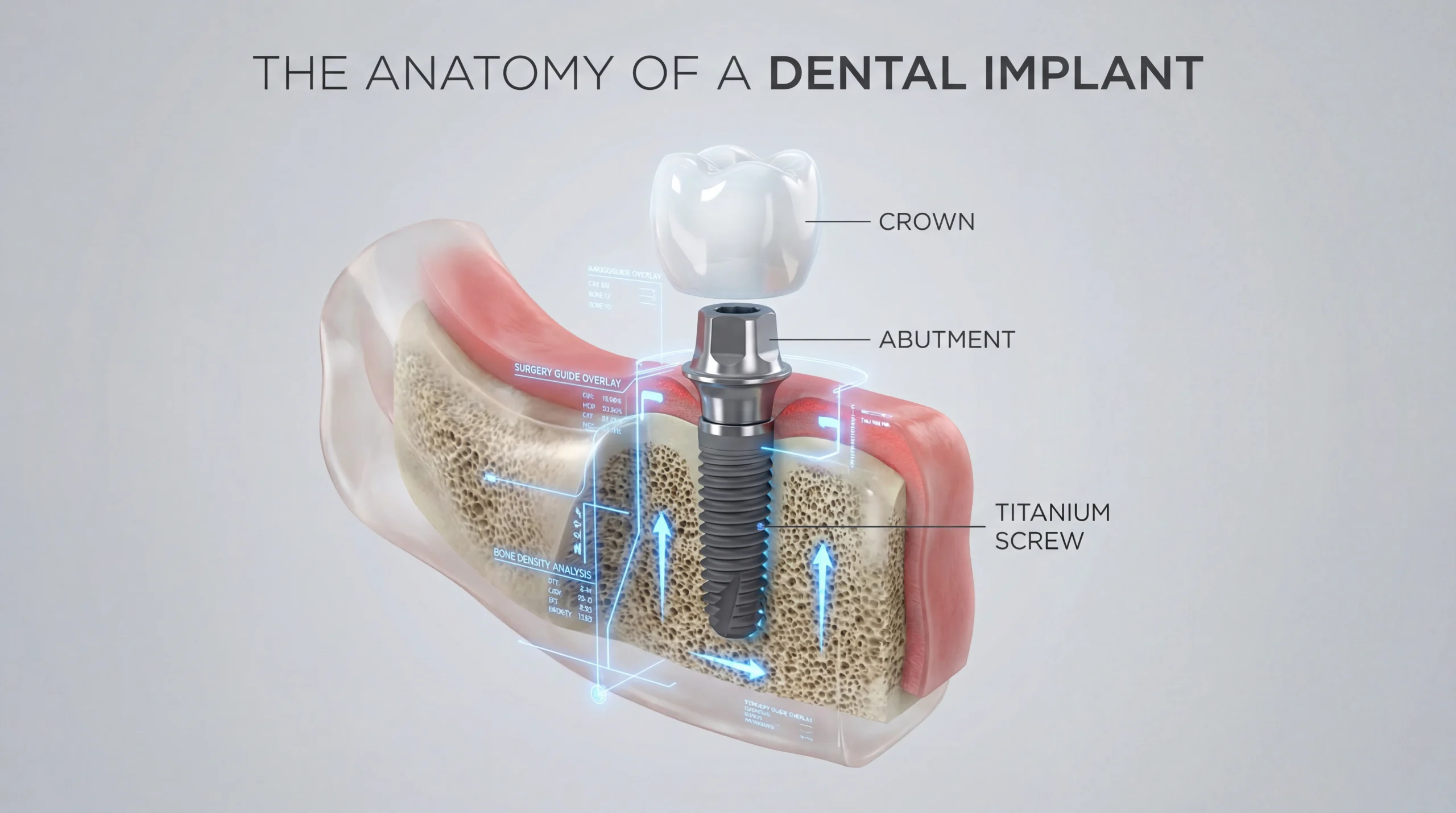
Bone evaluation becomes increasingly important with age. 3D CBCT imaging allows us to precisely assess bone density, volume, and quality before treatment planning. Bone density measurements help predict healing patterns and determine if additional procedures are needed.
Sinus proximity in the upper jaw becomes more significant with age, as sinuses often enlarge over time. Nerve location in the lower jaw requires careful mapping to avoid complications. Previous tooth loss may have resulted in bone loss that requires grafting procedures.
Bone grafting is often needed in older adults but shouldn't be viewed as a barrier to treatment. Modern grafting techniques are highly successful and can create ideal conditions for implant placement, even in challenging cases.
Lifestyle and Expectation Factors
Activity level and lifestyle expectations play crucial roles in treatment planning. Active adults in the greater Prescott region often have high expectations for function and aesthetics, which implants can meet when properly planned and executed.
Maintenance commitment becomes more critical with age. Implants require lifelong care, including regular professional maintenance and excellent home care. Manual dexterity may affect your ability to clean around implants, requiring adaptive techniques or tools.
Financial planning is important, as implant treatment is a significant investment. However, when viewed over a lifetime, implants often provide better value than repeated repairs of failing teeth or denture adjustments.
The Greater Prescott Region Advantage: Why Location Matters
Demographics and Expertise
The greater Prescott region has unique advantages for adults considering dental implants. Our community's high concentration of active adults and retirees means local dental practices have extensive experience with implant treatment in older adults. This experience translates to better outcomes and more realistic expectations.
Lifestyle factors in Prescott, Prescott Valley, Chino Valley, and Dewey-Humboldt support implant success. The active outdoor lifestyle common in our area promotes overall health, which supports healing and long-term implant success. Lower stress levels associated with retirement or mountain living can positively affect healing and treatment outcomes.
Healthcare infrastructure in the greater Prescott region includes excellent medical specialists who can coordinate care for complex cases. Proximity to Phoenix provides access to specialized services when needed while maintaining the benefits of small-town care.
Environmental Considerations
High-altitude living at 5,400 feet creates unique considerations for implant treatment. Lower oxygen levels may slightly slow initial healing, but this is easily managed with appropriate planning. Dry climate requires attention to hydration and may affect medication metabolism.
Seasonal variations in the greater Prescott region can affect treatment timing. Winter months may be ideal for implant placement, as outdoor activities are naturally reduced, allowing for better healing conditions. Summer heat requires attention to hydration and activity modification during healing.
Air quality in the greater Prescott region is generally excellent, supporting optimal healing conditions. Reduced pollution compared to urban areas may actually improve healing outcomes.
Treatment Options: Finding Your Perfect Solution
Single Tooth Replacement
Individual implants for single missing teeth offer the most conservative and predictable treatment option. Success rates exceed 98% for single implants in healthy patients over 55. Immediate placement may be possible in some cases, reducing treatment time and preserving bone and gum architecture.
Aesthetic considerations become more complex with age, as gum recession and bone changes may affect the final appearance. However, modern techniques can achieve excellent aesthetic results even in challenging cases. Function restoration with single implants is typically complete, allowing normal chewing and speaking.
Multiple Tooth Replacement
Implant-supported bridges can replace several missing teeth with fewer implants than individual replacement would require. This approach is often more cost-effective and may be ideal for patients with multiple adjacent missing teeth.
Strategic implant placement can support larger restorations while minimizing the number of surgical sites. Bone preservation is better maintained with implant-supported bridges compared to removable partial dentures.
Full Mouth Reconstruction
All-on-4 and All-on-6 techniques allow complete arch restoration with just four to six implants per arch. These approaches are particularly beneficial for patients over 55 who have lost most or all of their teeth. Immediate function is often possible, allowing you to leave with fixed teeth on the day of surgery.
Full mouth reconstruction requires careful planning and coordination but can be life-changing for patients with extensive tooth loss. Bone grafting may be avoided with these techniques, as implants are placed in areas of naturally better bone quality.
Implant-Supported Dentures
Overdentures supported by implants offer a middle ground between traditional dentures and fixed implant restorations. Two to four implants can dramatically improve denture retention and function while being more affordable than full fixed reconstruction.
Removable options may be preferred by some patients for ease of cleaning and maintenance. Fixed options provide the most natural function but require more complex home care routines.
The PSDG Approach: Comprehensive Care for Adults Over 55
Our Four Pillars Philosophy for Mature Adults
Pillar 1: Fighting Tooth Decay takes on new dimensions for adults over 55. Medication-induced dry mouth increases cavity risk, requiring enhanced fluoride protocols and saliva management. Root surface cavities become more common with age and require specialized prevention strategies.
Dietary considerations may change with age, affecting cavity risk. Implant maintenance includes protecting the remaining natural teeth to preserve overall oral health and function.
Pillar 2: Fighting Gum Disease is crucial for implant success. Peri-implantitis (gum disease around implants) can be more aggressive in older adults, making prevention and early treatment essential. Systemic health connections between gum disease and conditions like diabetes and heart disease become more significant with age.
Enhanced periodontal therapy may be needed before implant placement to ensure optimal healing conditions. Ongoing maintenance protocols are customized for each patient's risk factors and health status.
Pillar 3: Controlling Improper Forces addresses the increased risk of bite force problems in older adults. Medication effects on muscle function may affect jaw mechanics. Joint changes from arthritis can affect bite relationships and implant loading.
T-Scan bite analysis helps ensure that implant restorations are properly integrated into your bite pattern. Protective appliances may be recommended to protect both implants and natural teeth from excessive forces.
Pillar 4: Managing Medical Conditions becomes increasingly important with age. Medication coordination ensures that your dental treatment doesn't interfere with your medical management. Medical clearance may be needed for certain procedures.
Collaborative care with your physicians ensures that your implant treatment supports your overall health goals. Chronic condition management is integrated into your dental care planning.
Advanced Diagnostic Technology
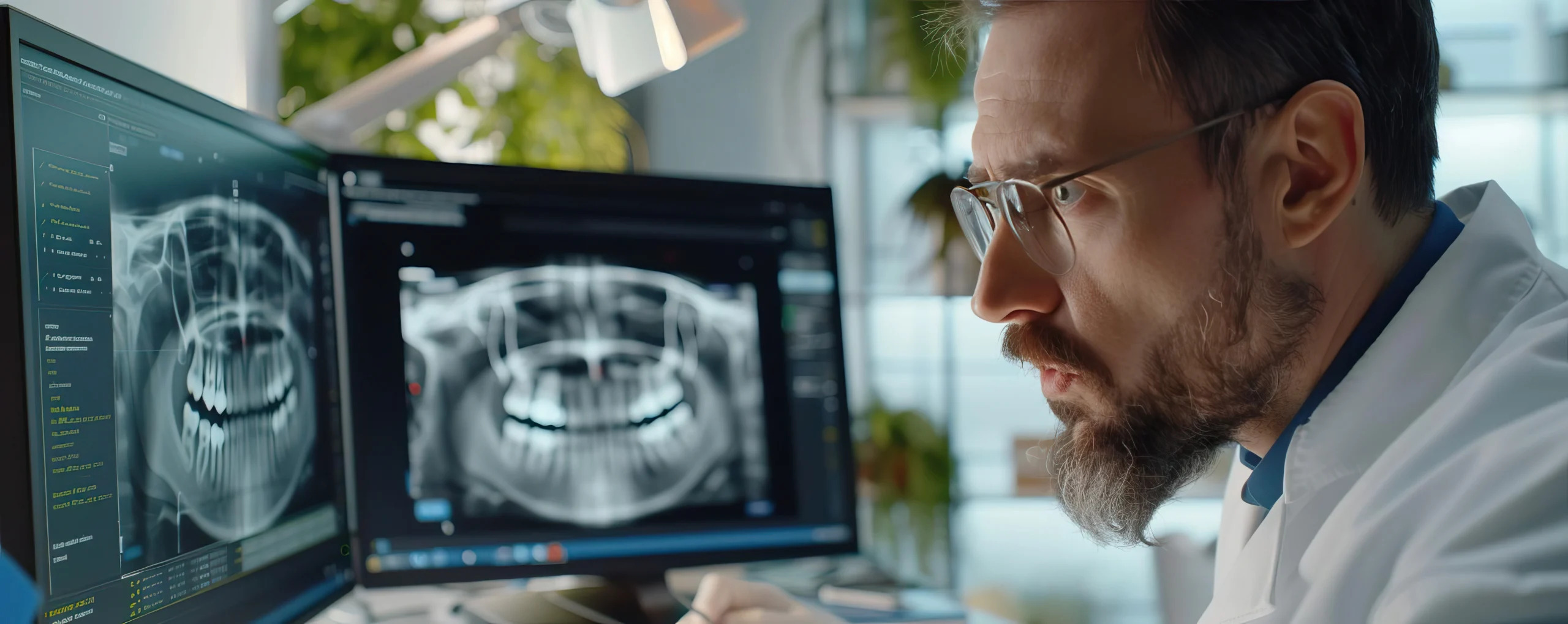
3D CBCT imaging provides detailed information about bone quality, quantity, and anatomical structures. This technology is particularly valuable for older adults, as it allows precise treatment planning and helps avoid complications.
Digital treatment planning allows us to virtually place implants before surgery, ensuring optimal positioning and function. Surgical guides created from digital planning improve accuracy and reduce surgical time.
Bone density analysis helps predict healing patterns and determine if additional procedures are needed. Medical history integration ensures that all health factors are considered in treatment planning.
Success Stories: Real Transformations from Our Community
"AMAZING!!!! Great experience! I was extremely nervous.. and they helped a lot!! That tooth was pulled out like nothing!! Thank yall so much! I really appreciate it! Love you guys! Best Dr experience ever!!"
"After a very traumatic visit with a different dentist I was very uneasy but the Dr and staff were so kind and gentle and repaired my tooth with no problem. Thank you for your honesty and gentle handling."
"Everyone was very helpful in completing paperwork, and very comforting during the procedure."

What to Expect: Your Journey to Implant Success
Initial Consultation and Planning
Comprehensive evaluation includes medical history review, clinical examination, and advanced imaging. Treatment options are presented with clear explanations of benefits, risks, and alternatives. Timeline planning considers your health status, healing capacity, and lifestyle factors.
Cost discussion includes all phases of treatment and available financing options. Questions and concerns are thoroughly addressed, ensuring you feel confident in your decision.
Surgical Phase
Pre-surgical preparation may include medical clearance, medication adjustments, and pre-medication protocols. Sedation options are available to ensure comfort during the procedure. Surgical techniques are customized for your specific anatomy and health status.
Post-surgical care includes detailed instructions, pain management protocols, and follow-up scheduling. Healing monitoring ensures that any issues are identified and addressed promptly.
Restorative Phase
Healing period typically ranges from 3-6 months, depending on your individual healing capacity and the complexity of your case. Temporary solutions may be provided to maintain function and aesthetics during healing.
Final restoration is custom-designed for optimal function, comfort, and aesthetics. Bite adjustment ensures proper integration with your existing teeth and jaw function.
Long-term Maintenance
Professional maintenance typically involves visits every 3-4 months for specialized implant cleaning and monitoring. Home care instruction is customized for your specific restoration type and manual dexterity.
Long-term monitoring includes regular X-rays and clinical examinations to ensure continued implant health. Preventive interventions can address small problems before they become major issues.
Making the Decision: Key Factors to Consider
Timing Considerations
Health optimization may be beneficial before implant treatment. Medication timing can affect healing and should be coordinated with your physicians. Lifestyle factors like travel plans or major life events should be considered in timing decisions.
Seasonal considerations in the greater Prescott region may affect your comfort during healing. Financial planning allows you to budget for the investment and any additional procedures that may be needed.
Alternative Treatments
Improved dentures with better fit and function may be sufficient for some patients. Partial dentures can replace multiple missing teeth at lower cost. Bridge work may be appropriate for certain situations.
No treatment is always an option, but the consequences of continued tooth loss should be understood. Combination approaches may provide the best balance of function, aesthetics, and cost for some patients.
Quality of Life Impact
Nutritional benefits from improved chewing ability can significantly impact overall health. Social confidence often improves dramatically with stable, comfortable teeth. Speech improvement can enhance communication and professional interactions.
Activity participation may increase when you're not worried about denture problems or missing teeth. Overall health benefits from better nutrition and reduced oral bacteria can be significant.
Key Takeaways: Your Implant Decision Checklist
- Age is not a barrier to implant success when you're in good overall health.
- Success rates for patients over 55 are excellent and comparable to younger patients.
- Individual health factors are more important than chronological age in determining candidacy.
- Comprehensive evaluation is essential to determine your specific candidacy and optimal treatment approach.
- Realistic expectations about healing time, maintenance requirements, and long-term care are crucial for satisfaction.
- Professional expertise in treating older adults makes a significant difference in outcomes.
- Ongoing maintenance is essential for long-term success and should be factored into your decision.
Frequently Asked Questions
Age alone is rarely a barrier to implant success. Patients in their 80s and 90s have successfully received implants. What matters most is your overall health, bone quality, and ability to heal. A comprehensive evaluation can determine your individual candidacy.
Studies show that implants placed in patients over 55 have 10-year success rates exceeding 90%. With proper care, implants can last a lifetime, even when placed in older adults.
Some medications can affect healing or bone metabolism, but most are compatible with implant treatment. We'll review all your medications and coordinate with your physicians to optimize your treatment plan.
Healing may take longer in older adults, typically 4-6 months compared to 3-4 months in younger patients. However, the vast majority of older adults heal completely and successfully.
Osteoporosis doesn't automatically disqualify you from implant treatment, but it requires special consideration. The timing of bisphosphonate medications and surgical techniques may need to be modified.
Bone grafting procedures can create adequate bone for implant placement in most cases. Modern grafting techniques are highly successful and can restore even severely deficient bone.
Implant costs are the same regardless of age. Many patients find that implants provide better long-term value than repeated repairs of failing teeth or denture adjustments. Financing options are available.
Yes, implants restore normal chewing function. Most patients can eat all their favorite foods, often for the first time in years. This improved nutrition can have significant health benefits.
Conclusion: Your Path to Renewed Confidence
Dental implants after 55 aren't just about replacing missing teeth—they're about reclaiming your quality of life, your confidence, and your ability to fully enjoy all that the greater Prescott region has to offer. Whether it's dining at one of Prescott's excellent restaurants, socializing with friends, or simply feeling confident in your daily interactions, implants can be truly transformative.
The decision to pursue implant treatment is significant, but it's one that thousands of adults over 55 make successfully every year. With proper evaluation, careful planning, and expert care, implants can provide decades of reliable function and natural-looking aesthetics.
The key is working with a team that understands the unique needs and considerations of mature adults. At Pro Solutions Dental Group, we've made it our mission to help adults over 55 achieve optimal oral health and function, regardless of their starting point.
Your age is not a limitation—it's simply another factor to consider in creating your personalized path to implant success. The question isn't whether you're too old for implants; it's whether you're ready to invest in your health, confidence, and quality of life.


